MM Clinic · Wrocław

Surgical lipoma removal

Surgical lipoma removal in Wrocław

Surgical lipoma removal in Wrocław

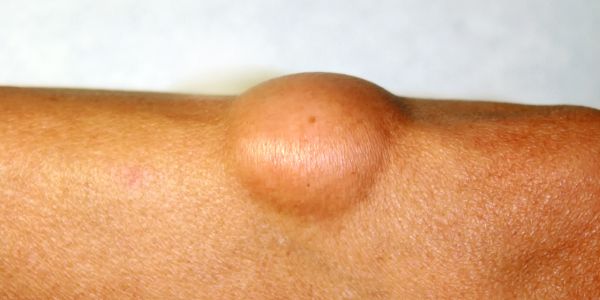
Lipomas are tumours that develop from fatty tissue. Located mainly in the subcutaneous tissue, they are usually movable relative to the underlying tissue and do not cause symptoms, but they can be a source of discomfort for aesthetic reasons. At MM Clinic in Wrocław, we offer effective removal of lipomas using a surgical method.

Surgical lipoma removal - price: how much does removal cost?

Removal of 1 lipoma

800 PLN

What types of lipomas are there?

Lipomas are benign fatty tumours that grow in the subcutaneous tissue. They can occur practically anywhere on the body where there is fatty tissue, but they most often appear on the chest, back and neck, as well as on the arms and thighs. Several types of lipomas can be distinguished:

Simple lipoma

This is the most common type of lipoma. It is usually small, soft and elastic, and moves under the skin when touched.

Fibrous lipoma (angiofibrolipoma)

This type of lipoma contains more connective or fibrous tissue. It may feel somewhat firmer to the touch than a simple lipoma.

Vascular lipoma (angiomyolipoma)

This variety of lipoma contains muscle tissue and blood vessels.

Cord-like lipoma (intradermal spindle cell lipoma)

This is a rare type of lipoma that usually appears on the neck or shoulders. It contains elongated fat cells.

Hard lipoma (pleomorphic lipoma)

This type of lipoma contains various types of cells, which gives it a varied, “pleomorphic” structure.

Intermembranous lipoma (hibernoma)

This rare type of lipoma originates from brown fat, a type of fat present in newborns that helps regulate body temperature.

Liposarcoma

This is a rare and potentially malignant type of fatty tumour. Although it is not technically a lipoma, it is sometimes classified in the same category because it is a tumour that originates from fat cells.

How are lipomas detected?

Lipomas are usually easy to recognise on the basis of their characteristic features, such as location, shape and consistency. A doctor may suspect a lipoma on the basis of a physical examination, which includes assessing the lump for softness, elasticity and whether it can be moved under the skin. Nevertheless, additional tests may be necessary to confirm the diagnosis and rule out other, potentially more serious conditions.

An ultrasound scan is often used to assess the size and characteristics of the lump. It can also help to distinguish a lipoma from other types of tumours. In some cases, the doctor may decide on a biopsy, which allows a tissue sample to be taken from the lump for further histopathological examination.

During the histopathological examination, the sample is examined under a microscope, which makes it possible to confirm that the lump is a lipoma and not another, potentially malignant tumour.


What causes lipomas?

The causes of lipomas are not fully understood. Most doctors believe that they develop as a result of disturbances in the processes of fatty tissue formation and breakdown. Some patients may be genetically predisposed to developing lipomas (Dercum's disease). Most often, however, lipomas appear without any specific cause.

What symptoms do lipomas cause?

Lipomas usually do not cause noticeable symptoms, especially when they are small. They are typically soft, elastic lumps under the skin that can be moved with a finger. They are most often painless, unless they press on nerves or contain blood vessels. Some of the symptoms that may occur if a lipoma is large, grows quickly or is located in a place where it presses on nerves or another body system are:

Pain

Although lipomas are usually painless, they can become painful if they press on nerves or contain many blood vessels.

Swelling or redness of the skin

In rare cases, a lipoma can cause redness or swelling of the skin.

Discomfort on movement

If a lipoma is located near a joint, it may cause discomfort or restrict movement.

Changes in size or shape

Although lipomas usually grow slowly, rapid growth of the lump or a sudden change in its shape may be a cause for concern.

When should I see a doctor?

If you notice lumps on your body, you should see a doctor. Although lipomas are usually benign and do not cause discomfort, it is important to monitor any changes on the skin. Changes such as rapid enlargement of the lump, pain, redness or fever may indicate that the lump needs to be removed sooner.

Can a lipoma turn into cancer?

Lipomas are benign tumours, and the vast majority of them never undergo malignant transformation. They are usually harmless and do not spread to other parts of the body. Nevertheless, there is a rare type of malignant fatty tumour called liposarcoma, which can arise de novo rather than through transformation of a lipoma. Liposarcoma is a serious condition and requires intensive treatment, which usually includes surgery and sometimes also radiotherapy or chemotherapy.

Does every lipoma need to be removed?

Not every lipoma needs to be removed. The decision about treatment, including removal of a lipoma, depends on many factors, such as its size, location and rate of growth, whether it causes pain or other symptoms, and the patient's general health.

Small lipomas that do not cause any symptoms may not require treatment and are usually monitored by a doctor. However, if a lipoma starts to grow, causes pain or discomfort, or is located in a place that interferes with daily activities, the doctor may suggest removal.


What does lipoma removal at MM Clinic in Wrocław involve?

The lipoma removal process begins with a consultation with a doctor, who assesses the lump and decides on the most suitable form of treatment for the patient. A general surgeon will perform the procedure under local anaesthesia.

During the procedure, the doctor makes an incision in the skin through which the lipoma is removed. After the lump has been removed, the site is stitched. After a few days, the patient returns to have the stitches removed.

The treatment of a lipoma depends on many factors, such as the size of the lump, its location and whether it causes any symptoms. In some cases, when a lipoma does not cause problems, the doctor may suggest observation instead of intervention. If, however, the lipoma is large, grows quickly, or causes pain or discomfort, treatment may include a surgical procedure to remove it.


What are the benefits of surgical lipoma removal?

Deciding on surgical removal of lipomas brings a number of benefits, which often persuade patients to undergo this procedure. First and foremost, one of the most important aspects to emphasise is the relief that patients feel after a lipoma has been removed.

Many people experience discomfort for aesthetic reasons related to the presence of a lipoma. A change in the appearance of the body caused by a lipoma can lead to lower self-esteem and a feeling of being uncomfortable in one's own skin. Thanks to surgical removal of the lipoma, these unpleasant feelings are considerably reduced, which allows patients to regain comfort and self-confidence.

A lipoma can also cause pain due to pressure on surrounding body structures. Depending on the location of the lump, this can lead to considerable discomfort and limitations in daily activities.

Surgical removal of a lipoma provides immediate relief from these complaints, which considerably improves the patient's quality of life.

What is more, the surgical procedure allows the lump to be removed definitively, eliminating the risk that the lipoma will reappear in the same place.


Is the procedure safe?

Yes, surgical lipoma removal is safe. The procedures are performed by experienced specialists, and each case is carefully analysed before the procedure. The doctor who removes the lipomas has the appropriate qualifications and many years of practice in this field.

Surgical lipoma removal in Wrocław

Surgical lipoma removal is a procedure in which the doctor removes a tumour of fatty tissue from the patient's body. The procedure is usually performed under local anaesthesia and involves excision of the lipoma and histopathological examination of the material to rule out cancer. The lipoma is removed together with a fragment of subcutaneous tissue and a small margin of the surrounding tissue. Lipoma removal is performed by a qualified surgeon.

Treatments at MM Clinic


Aesthetic medicine clinic


Opening hours:

Monday – Friday: 10:00-20:00
Saturday – Sunday: 10:00-16:00

Clinic address:

ul. Strachowskiego 32,
52-210 Wrocław, Poland


Let's talk

Any questions? Start with a consultation.

Book a visitSee the price list →