MM Clinic · Wrocław

Surgical treatment of abscesses

Surgical removal of abscesses in Wrocław

Surgical removal of abscesses in Wrocław

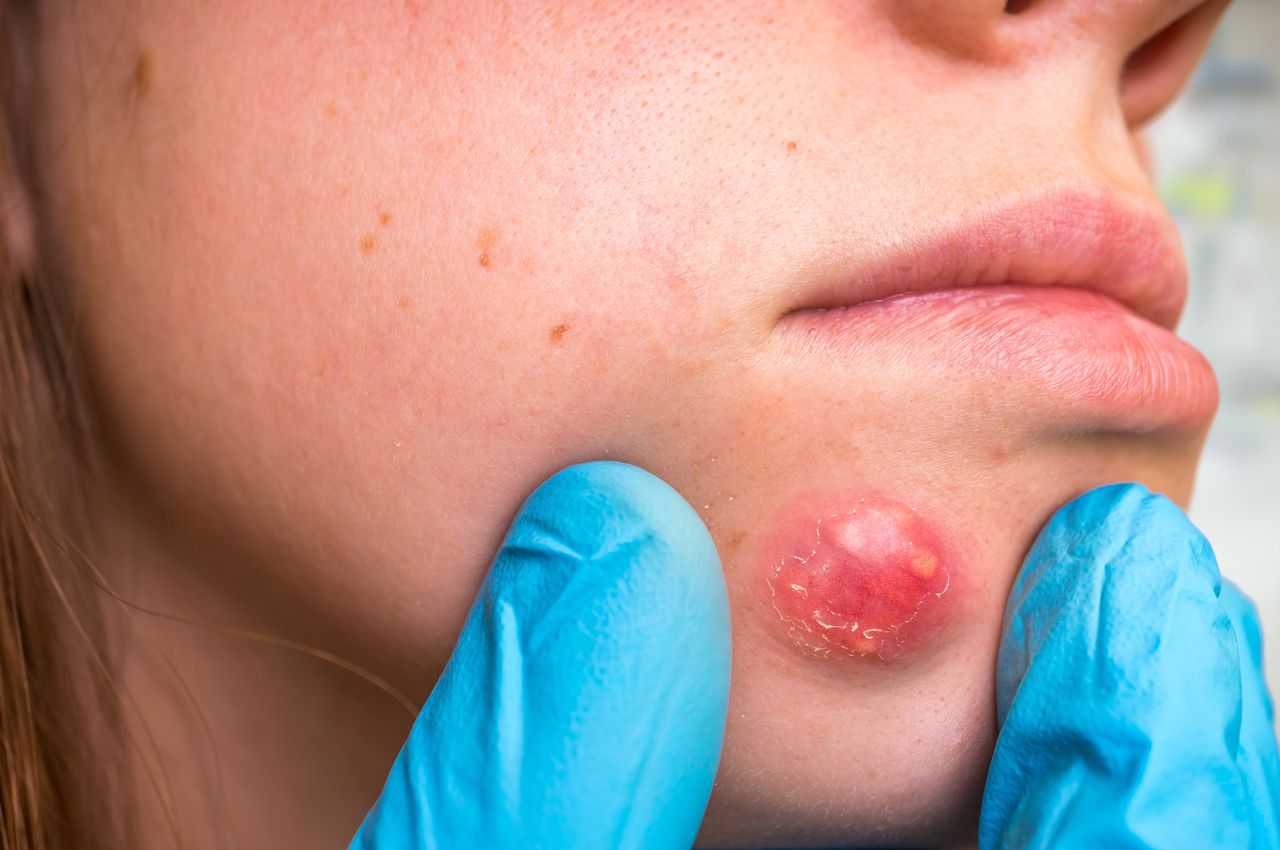
Abscesses are local collections of pus, the result of inflammation that develops in response to a bacterial infection. They are characterised by redness, swelling and tenderness. Pus, a white or yellow fluid, contains dead white blood cells, bacteria and destroyed tissue. Abscesses can form in any part of the body, but they most often appear on the skin of the face, in the mouth and around the anus. Although some of them may heal on their own, most require medical intervention. Surgical removal of an abscess is a widely used and effective method of treatment, aimed at draining the pus and reducing inflammation.


Surgical abscess removal - price: how much does removal cost?

Abscess incision and drainage

500 PLN

Why is surgical removal of abscesses necessary?

Although some abscesses may heal on their own, most require medical intervention. Surgical removal of abscesses, i.e. incision and drainage of the abscess, is a widely used and effective method of treatment, aimed at removing the pus and reducing inflammation. Surgical removal (incision and drainage) of abscesses is often necessary for several reasons:

Pain relief

Abscesses are often painful, and incision and drainage can relieve this pain immediately.

Removing the source of infection

An abscess is a collection of bacteria and dead cells. Removing the abscess helps to treat the infection and prevents it from spreading.

Treatment

Although some abscesses may burst and empty on their own, many of them will not do so without medical intervention. If they are not drained, they can lead to serious complications, including sepsis (a life-threatening blood infection).

Access for antibiotics

Once the abscess has been drained, antibiotics have better access to the area of infection and can be more effective.

What is an abscess?

Abscesses are local collections of pus, the result of inflammation that develops in response to a bacterial infection. They are characterised by redness, swelling and tenderness. Pus, which contains dead white blood cells, bacteria and destroyed tissue, can cause serious health problems. Effective treatment often requires surgical removal of the abscess.

What causes abscesses?

Abscesses are usually the consequence of inflammatory processes caused by bacterial infections occurring in various parts of the body. They can form in soft tissues such as the skin or muscles, as well as in the subcutaneous tissue.

In some cases, abscesses can also form as a complication of other medical procedures (e.g. extraction of permanent teeth). A surgeon experienced in treating abscesses is able to identify their cause based on their location and symptoms, which is key to choosing the most appropriate method of treatment.


Are there any contraindications to the procedure?

Surgical removal of abscesses is a procedure that is generally safe for most people. Nevertheless, certain health conditions, such as serious chronic diseases, blood clotting problems or uncontrolled diabetes, may be contraindications to this procedure. However, each patient is assessed individually, and the decision to carry out the procedure is made on the basis of a thorough medical history and medical examinations. So if you have any doubts or concerns, it is worth consulting a doctor.

Surgical removal of abscesses: what does it involve?

Before the procedure, a detailed consultation with the doctor is necessary. During this consultation, the doctor will assess the patient's health, carry out the necessary examinations and discuss the details of the procedure. Tell the doctor about any medicines you take and any allergic reactions.

The procedure

Surgical removal of an abscess is usually performed under local anaesthesia, which ensures comfort and minimises pain. The doctor makes an incision in the skin over the abscess to allow the accumulated pus to drain. The doctor then thoroughly cleans the infected area to ensure it heals properly. In some cases, it may be necessary to leave a small drain in the incision to allow further drainage of pus.
After the procedure, the incision site is covered with a sterile dressing. The patient receives detailed instructions on caring for the wound at home and information on whether antibiotics may be needed.


What are the benefits of the procedure?

  • Elimination of the source of infection and pain, bringing the patient immediate relief.
  • Precise removal of the abscess by an experienced doctor, which minimises the risk of scarring.
  • Prevention of the infection spreading to other parts of the body.
  • Faster healing and a lower risk of complications such as sepsis.
  • The possibility of taking samples for microbiological testing, which allows doctors to choose the most effective antibiotic treatment after the procedure.
  • An improvement in the patient's quality of life and the certainty that the health problem has been resolved effectively and professionally

Is the procedure painful?

We perform surgical removal of abscesses under local anaesthesia, which makes the procedure completely painless. Slight discomfort may appear after it is finished, but this is normal and passes quickly. If necessary, the doctor may recommend mild painkillers.

How long is the recovery?

The recovery time after surgical removal of an abscess depends on many factors, including the size and location of the abscess and the body's individual ability to regenerate. The healing period usually lasts from a few days to a few weeks. During this time, the patient should change the dressing regularly and follow the doctor's instructions on hygiene and wound care.

Treatments at MM Clinic


Aesthetic medicine clinic


Opening hours:

Monday – Friday: 10:00-20:00
Saturday – Sunday: 10:00-16:00

Clinic address:

ul. Strachowskiego 32,
52-210 Wrocław, Poland


Let's talk

Any questions? Start with a consultation.

Book a visitSee the price list →