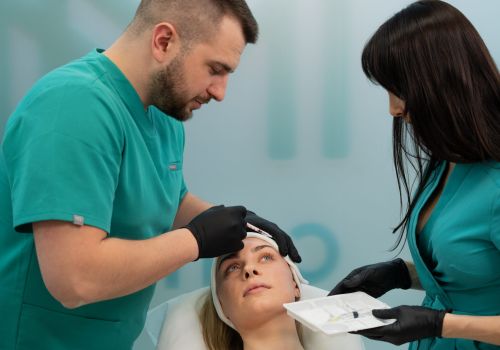
What does the treatment involve?
Wrinkle removal treatment, i.e. injections using botulinum toxin, is a popular method of reducing wrinkles and other signs of skin ageing. Botulinum toxin type A is the most commonly used type of this substance in aesthetic medicine. Here is what botulinum toxin treatment for wrinkle reduction involves and how to prepare for it:
Consultation with a doctor
Preparing for the treatment
The treatment
After the treatment
It is advisable to avoid physical activity and lying down for a few hours after the treatment to prevent the toxin from spreading in the body.
How does botulinum toxin work?
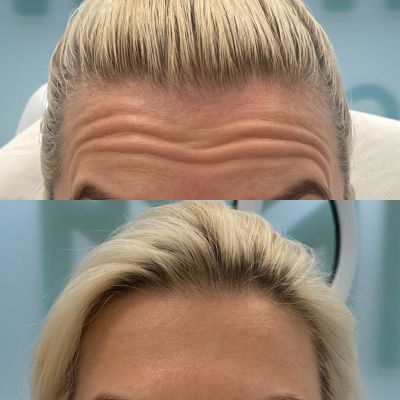
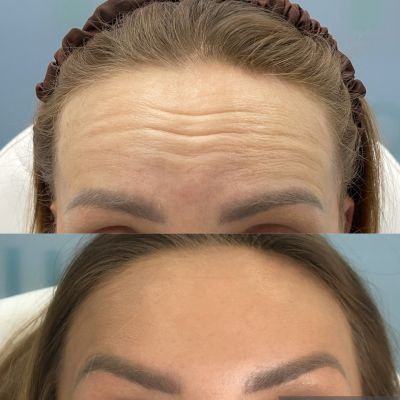
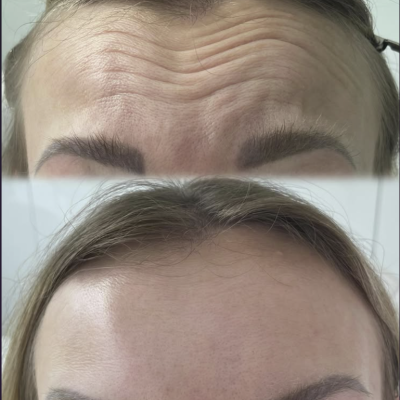
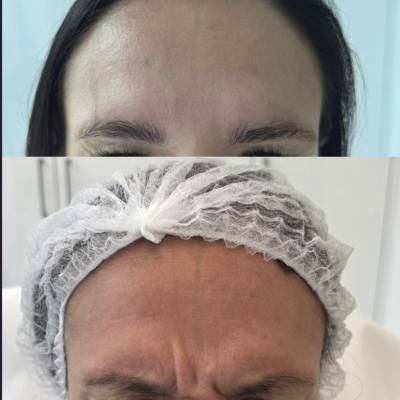
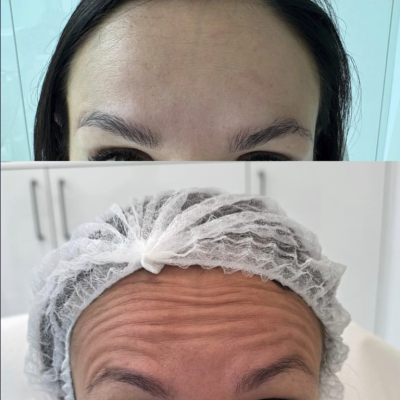
Botulinum toxin acts at the level of nerve endings and muscles, leading to weakening or paralysis of the muscles. It works by blocking the release of acetylcholine, the neurotransmitter responsible for transmitting signals between neurons and muscles. When botulinum toxin is introduced into the body, it binds to receptors on the cell membrane of neurons. The toxin then enters the nerve cells, where it breaks down the proteins responsible for releasing acetylcholine.
As a result, nerve transmission is blocked and the muscles lose their ability to contract. In aesthetic medicine, botulinum toxin is used in small doses to relax the facial muscles, which leads to a reduction in wrinkles. In the treatment of excessive sweating, botulinum toxin inhibits the activity of the sweat glands by blocking the nerve signals that control them.
In the treatment of muscle spasms and other neurological disorders, botulinum toxin allows muscle tension to be reduced temporarily, which makes rehabilitation exercises easier and improves patients' quality of life.
Botulinum toxin is used to smooth expression lines such as crow's feet, the frown line, smoker's lines, bunny lines and horizontal forehead lines.
Aesthetic medicine also uses botulinum toxin to treat excessive facial expressions and gummy smile, to shape the chin, and to treat bruxism and migraine. It is worth mentioning that botulinum toxin is also used outside aesthetic medicine, for example in the treatment of strabismus.
Contraindications to the treatment
Before undergoing botulinum toxin treatment, it is worth familiarising yourself with the contraindications, which may rule the treatment out for some people. Contraindications to botulinum toxin treatment include:
-Pregnancy and breastfeeding: botulinum toxin is not recommended for pregnant or breastfeeding women, as there is insufficient data on the effect of botulinum toxin on the development of the foetus or child.
-Allergy to ingredients of the product
-Taking certain medicines. Some medicines, such as aminoglycoside antibiotics or anticoagulants, may affect the effectiveness of botulinum toxin and even increase the risk of complications.
-Muscle diseases
-Botulinum toxin is contraindicated for people suffering from muscle diseases such as myasthenia gravis or Lambert-Eaton syndrome, as it may worsen the symptoms of these conditions.
-Infections and inflammation at the planned treatment site
-Botulinum toxin treatment should not be performed in areas where there is a skin infection or inflammation.
Before botulinum toxin treatment, a detailed medical history must be taken from the patient to make sure there are no contraindications. If there are, however, it is worth talking to a doctor, who may suggest alternative treatment methods.
Treating bruxism with botulinum toxin has become a popular and effective solution to this problem. Bruxism can lead to damage to tooth enamel, pain in the temporomandibular joints and tension in the jaw muscles, which often affects the quality of life of the person with this condition. Thanks to its muscle-relaxing properties, botulinum toxin can help reduce muscle tension in the jaw area, which in turn leads to a reduction in the symptoms of bruxism.
The aim of the treatment is to weaken the contraction force of these muscles, which leads to less teeth grinding and less pain in the temporomandibular joints. The effects of the treatment usually last from 3 to 6 months, and their duration depends on the patient's individual predispositions and the dose of botulinum toxin administered.
Treatments at MM Clinic