Over time, the activity of fibroblasts in the skin decreases, which results in the degradation of collagen and elastin. Combined with the weakened ability of cells to multiply and regenerate, this leads to a loss of skin elasticity and resilience. Tissue stimulators are designed to reverse this process by stimulating fibroblasts to greater activity. However, that is not the end of their role and uses.
Table of contents
What are tissue stimulators?
Tissue stimulators are special products designed to stimulate the natural regenerative processes in the skin. They may consist of various bioactive substances, e.g. hyaluronic acid, polynucleotides, amino acids, biomimetic peptides, calcium hydroxylapatite, vitamin complexes and antioxidants.
Tissue stimulators contribute to:
- cell proliferation, i.e. the process by which cells multiply,
- stimulation of collagen and elastin synthesis,
- stimulating cells to produce collagen and slowing down its degradation,
- stimulation of receptors in the skin,
- increased skin hydration.
These processes make the skin naturally denser, firmer and more elastic. Its blood supply and tone also improve.
Karisma in Wrocław is one of the new-generation tissue stimulators.
Uses of tissue stimulators
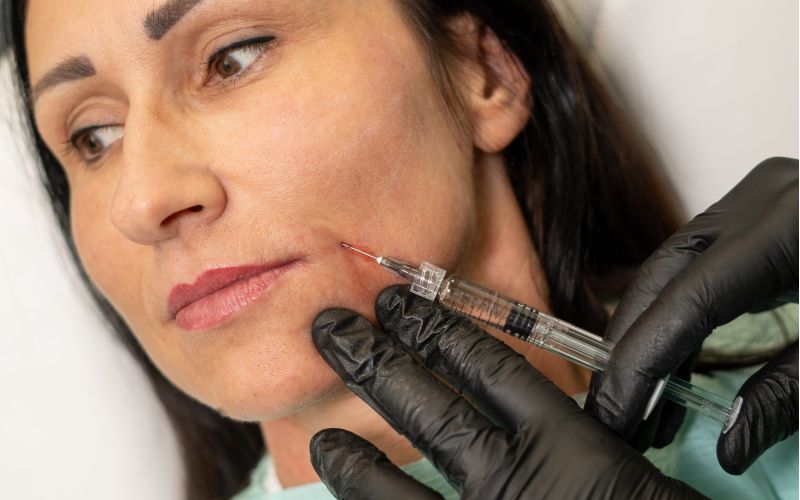
The action of tissue stimulators is widely used, above all in aesthetic medicine. They help combat visible signs of ageing - wrinkles, pigmentation, as well as sagging and dryness of the skin. The treatment with biostimulators is performed under local anaesthesia by injection into a selected area of skin, e.g. around the eyes.
Tissue stimulators are also used in the treatment of acne scars, contouring of the facial outline, skin regeneration after medical treatments and in cases of damage caused by sun exposure - in other words, in situations where the skin needs renewal and an improvement in its structure.
The choice of the right stimulator depends above all on the problem the patient wants to solve and on the condition of their skin (e.g. the degree of tissue damage). This decision is made by the doctor after a consultation. This stage is important above all because of the need to rule out allergy to the ingredients of the stimulators and diseases that may be a contraindication to the treatment (e.g. diabetes, lupus, bowel inflammation, cardiovascular diseases).
Table 1. Uses of the most common ingredients of tissue stimulators.
| Ingredient | Main use |
| Polynucleotides | regeneration of damaged tissue; general improvement in the appearance and quality of the skin (smoothing, hydration, radiance and elasticity); nourishment of the dermis |
| Calcium hydroxylapatite | filling deep wrinkles (especially around the nasolabial folds and lips, glabellar lines, marionette lines); filling facial skin folds; filling the face in cases of fat tissue loss; restoring volume to the backs of the hands |
| Poly-L-lactic acid | correction of skin depressions (scars, furrows, folds), e.g. the cheek furrow; firming sunken temples; improving the overall condition of the skin (its density, firmness and elasticity) |
| Hyaluronic acid | filling wrinkles and skin folds; restoring lost tissue volume; skin regeneration |
| Polycaprolactone | reduction of wrinkles and other signs of ageing in various areas of the face; increased skin firmness |
Source: Przylipiak A. [2] and Nicer K. [3]
Treatments with tissue biostimulators are often combined with other skin renewal methods, e.g. fractional laser, needle mesotherapy or platelet-rich plasma. You will find detailed information about the procedure and its contraindications here: tissue biostimulators.
—
Sources:
[1] Kozłowiecka M., Malara B., 2022, Zastosowanie i ocena skuteczności stymulatorów tkankowych w profilaktyce starzenia się skóry, Aesthetic Cosmetology and Medicine, vol. 11
[2] Przylipiak A. (ed.), 2014, Podstawy Medycyny Estetycznej. Podręcznik dla studentów kosmetologii
[3] Nicer K., 2016, Stymulatory tkankowe – jedna kategoria, wiele możliwości terapeutycznych, Dermatologia i kosmetologia