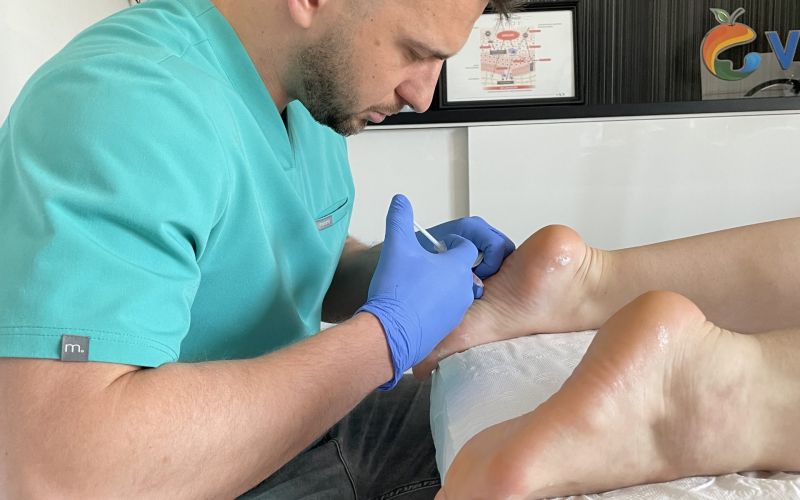
Excessive sweating (hyperhidrosis) is a condition in which the body produces an excessive amount of sweat in relation to its thermoregulatory needs. Excessive sweat production can be a serious problem, both physically and psychologically. Although all of us notice heavy sweating in various situations, for people with hyperhidrosis it can be a daily torment. Symptoms of hyperhidrosis may include wet patches on clothing, an unpleasant odour, and excessive sweating of the hands or feet. The causes of hyperhidrosis can vary, such as genetic factors, hormonal dysfunction or stress. Later in this article we discuss effective ways of treating hyperhidrosis that can help improve the quality of life of people with this problem.
Table of contents
What is sweat?
Sweat is a fluid produced by the sweat glands, which are distributed over the entire surface of the human body. The main function of sweat is thermoregulation, that is, maintaining an optimal body temperature, especially during intense physical exertion or in a warm environment. It consists mainly of water, but also contains many other substances, such as sodium, potassium, sugars and proteins. Its composition may vary slightly depending on a person's health, diet and level of physical activity. Importantly, sweat itself is odourless. The unpleasant odour often associated with sweating only appears as a result of bacteria acting on the components of sweat.Hyperhidrosis - types
Hyperhidrosis is a condition in which the body produces sweat in excess, beyond its thermoregulatory needs. It is an issue that can significantly affect daily activities and quality of life. Excessive sweat production can be divided into two main categories: primary and secondary hyperhidrosis.Primary excessive sweating
Primary hyperhidrosis, also called idiopathic or essential hyperhidrosis, is a condition that usually begins in adolescence. The problem most often affects specific parts of the body, such as the armpits, palms, feet or face. Although sweating is a natural process, people with primary hyperhidrosis experience this condition even in situations without stress or while at rest.Secondary hyperhidrosis
This occurs when excessive sweating is the result of another underlying cause or health condition. This may include various diseases, such as hyperthyroidism, neurological diseases, infections, cancers or rheumatoid arthritis. Secondary hyperhidrosis can also be the result of taking certain medicines. Unlike primary hyperhidrosis, secondary excessive sweating usually affects the whole body, rather than just specific areas.Which parts of the body can hyperhidrosis affect?
Hyperhidrosis can affect various parts of the body, including:- Armpits
- Hands
- Feet
- Face, especially the forehead
- Temples
- Chest
- Back
- Lower abdomen
- Intimate areas
- Backs of the knees
- Area around the nose
- Scalp
Causes of excessive sweating
Excessive sweating can be a troublesome problem that causes not only physical discomfort but also affects our well-being and self-confidence. There are many factors that can cause heavy sweat production. Increased innervation of the sweat glands: Our sweat glands are controlled by the nervous system. If these glands are overstimulated by the nerves, this can lead to excessive sweating. The causes can vary, from the effects of stressors to neurotic disorders. Endocrine diseases: Hyperthyroidism can speed up metabolism and increase heat production in the body, which in turn can result in excessive sweating. If you have concerns about your thyroid, I recommend consulting a doctor. Medicines: Some antidepressants, especially those in the group of serotonin reuptake inhibitors, may be associated with excessive sweating as a possible side effect. If you notice such symptoms after starting antidepressant therapy, you should talk to your doctor about it. Other medicines that can lead to hyperhidrosis include anti-cancer drugs and painkillers. Cancer: Sometimes the cause of excessive sweating may be enlargement of internal organs or the presence of cancers of the lymphatic system. In such cases, a consultation with a doctor is necessary so that detailed tests can be carried out. Physical exertion, high air temperature: The body's natural responses to physical exertion and high ambient temperature include increased sweat production. This is the body's physiological response to maintaining an optimal body temperature. However, if excessive sweating occurs even with minimal exertion or at low temperatures, this may point to other factors. Neurological diseases: Some neurological diseases, including Parkinson's disease, can affect the functioning of the sweat glands and cause excessive sweating. This is caused by disturbances in the regulation of the nervous system responsible for controlling the sweat glands. Stress, anxiety, excitement: Emotions can trigger excessive sweating. Menopause: During menopause, women often experience hot flushes, which can lead to excessive sweating. Diabetes: People with poorly controlled diabetes may experience excessive sweating. Heart disease: In some cases, excessive sweating may be a symptom of heart problems, such as heart failure or a heart attack. Zollinger-Ellison syndrome: A rare condition that can lead to excessive production of stomach acid, causing excessive sweating. Overweight and obesity: People who are overweight or obese often experience excessive sweating, because their body has to do more work during everyday activities. Inappropriate diet: Eating spicy food, alcohol and caffeine can increase sweat production. This is known as gustatory sweating.Excessive sweating - symptoms and characteristics
- Excessive sweating manifests itself as increased sweating and a change in the odour of sweat. People affected by hyperhidrosis also often experience a burning sensation after eating spicy food.
- Excessive sweating over the entire surface of the body is the result of overactive sweat glands.
- Other accompanying symptoms may include palpitations, especially if they are triggered by emotions.