Scars can be a source of concern for many of us, affecting our self-confidence and well-being. Laser scar treatment is an effective method that delivers the expected results. In this article you will learn why it is worth choosing laser scar treatment, what the process involves and what benefits it brings.
Table of contents
Types of scars
Different types of scars require specific treatment methods, depending on their characteristics and location. Knowing the type of scar is therefore very important before starting laser scar removal.
Acne scars: These are scars left behind by acne. They can take the form of unevenness, depressions or marks on the skin that appear after the acne has healed.
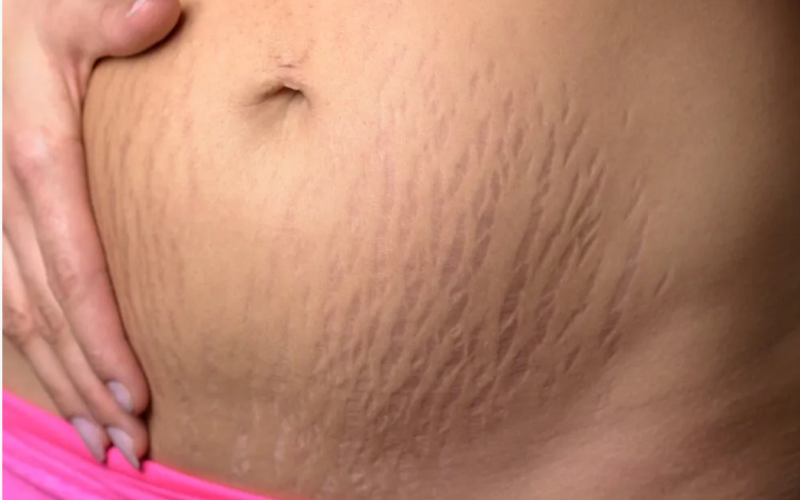
Stretch marks: These are lines or bands of scarring on the skin that appear as a result of rapid stretching of the skin, for example during pregnancy, with significant weight gain or during periods of growth. They are usually pink, purple or white.
Hypertrophic scars: They rise above the surface of the skin and result from excessive formation of scar tissue during wound healing. They can be red, raised and rough.
Atrophic scars: They form when tissue is removed or destroyed, which leads to the loss of the skin's natural layers. They can be depressed, smooth and pale in colour.
Burn scars: They form as a result of thermal, chemical or radiation burns. They can be uneven, vary in colour depending on the area of skin on which they formed, and rarely threaten the function of the skin.

Laser scar treatment - indications
The following scars can be removed with a laser:
- Acne scars
- Post-surgical scars
- Post-traumatic scars
- Burn scars
- Stretch marks (striae)
- Scars from insect bites
- Vaccination scars
- Scars after tattoo removal
Before the treatment, you should consult a doctor, who will assess whether the treatment is safe for you and choose the best method for you.
What results laser scar treatment brings
Laser scar treatment is an effective method that offers numerous benefits. One of the main advantages is an improvement in the appearance of the skin. Thanks to a course of treatments, scars become less visible and the skin regains its natural beauty.
Another effect of the treatment is improved self-confidence for the patient. Visible scars are often a source of discomfort and insecurity. The healing process after the treatment may take some time, but the first results can be seen shortly after the first treatment.
These are the effects of laser scar treatment:
- Smoothing and evening out of the skin texture.
- Lightening of scars or reducing their visibility.
- Reduction of redness or pigmentation of scars.
- Reduced depth of depressions and unevenness in the skin.
- Increased skin elasticity in the scar area.
- Improvement in hypertrophic scars.
- The possibility of improving the condition of the skin and reducing symptoms of discomfort.
Contraindications to laser scar treatment
Laser scar treatment can be an effective treatment, but there are several contraindications that may rule a patient out of this type of procedure. Here are some of the main contraindications to laser scar treatment:
Active skin infections: If there are active skin infections in the area where laser scar treatment is planned, the treatment may be postponed until full recovery.
Heavily tanned skin: People with fresh sunburn or severe sunburn in the area to be treated with the laser should wait until the skin returns to its natural state.
Pregnancy and breastfeeding: Laser treatments during this period may pose a risk to the child's health. In such cases, always consult a doctor before taking any action.
Tendency to scarring: People who tend to form excessive scars (keloids) may not be suitable for laser treatment, as there is a risk that this process will intensify.
Blood clotting disorders: People who have blood clotting disorders or take anticoagulants (blood thinners) may not meet the eligibility criteria for laser treatment.
Active cold sores in the treatment area: Laser treatment in an area with active cold sores (herpes simplex) may lead to the spread of the virus and cause complications.
Are laser treatments safe?
Laser scar reduction is a safe treatment, although an invasive one. The procedure involves directing a beam of light precisely at the scar, which stimulates collagen production and skin regeneration. As a result, the scar gradually fades and becomes less visible, and the skin looks healthier and more radiant.
It is worth mentioning that laser treatment does not require a long recovery period. It can be performed under local anaesthesia. During scar removal, the patient may feel some discomfort, but it is very slight.
Before laser treatment, you should have a consultation with a specialist doctor - a dermatologist - who will assess the condition of the scar and use the appropriate method for your type of scar.
How to care for your skin after laser scar treatment
After laser scar removal, it is important to care for your skin properly to ensure that it heals correctly and to minimise the risk of complications. After the treatment, follow the doctor's recommendations on skin care.
- Avoid sun exposure in the first days after the treatment and use high sun protection to avoid irritation and pigmentation caused by UV radiation.
- Choose gentle, moisturising skincare products after the treatment and avoid strong-acting cosmetics and chemical products. Also remember to keep your skin properly hydrated by using moisturising creams regularly.
If you notice any worrying symptoms, such as irritation or pain, consult the doctor, who monitors how your skin is healing and may recommend additional care measures or supporting treatments.
Summary
Laser scar treatment is an effective and safe treatment that can restore your self-confidence and the beauty of your skin. Thanks to the precise action of the laser, visible scar marks can be smoothed and evened out, improving the appearance of your skin. Don't wait any longer - choose laser scar treatment and enjoy beautiful, smooth skin! Book an appointment today and get rid of unwanted scars! Reception phone: 731 731 335 or e-mail: info@mmclinic.pl