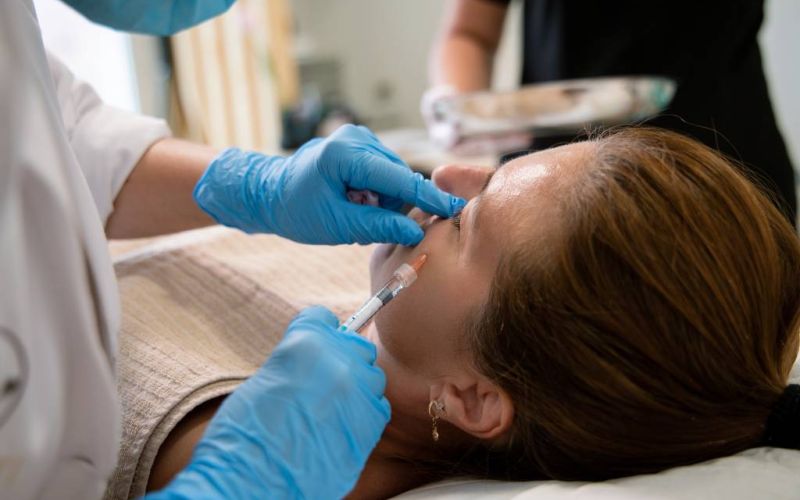
Botulinum toxin, also known as Botox, has become an excellent method in aesthetic medicine for combating signs of ageing such as wrinkles and fine lines. As a doctor working in this field, I would like to give you an in-depth overview of how I use botulinum toxin in my practice to improve the appearance and well-being of my patients.
What is Botox?
Botox, or botulinum toxin, is a substance derived from the bacterium Clostridium botulinum which, despite its toxic nature, has therapeutic properties when administered in small amounts. This is a paradox that fascinates me as a doctor, because the same substance that can be fatal in large doses brings relief from many ailments and improves quality of life under controlled conditions.
By inhibiting the release of acetylcholine, botulinum toxin prevents nerve impulses from reaching the muscles, causing them to relax. The effects of this procedure become visible after about 5-14 days and can last up to 6 months. In this article I will cover not only the main use of botulinum toxin, i.e. smoothing expression lines, but I will also present other, less well-known medical uses of this substance, including the treatment of excessive sweating and migraine. Drawing on my experience, I will advise you on how to prepare for a botulinum toxin treatment, in order to achieve optimal results and avoid the risk of an undesirable "mask effect". I invite you to read on to learn everything you need to know about botulinum toxin - our ally in the pursuit of a youthful appearance.
Uses in aesthetic medicine:
- removing forehead wrinkles
- removing wrinkles around the eyes ("crow's feet")
- removing the wrinkle between the eyebrows ("frown line")
- treatment of migraine
- treatment of excessive sweating of the feet
- treatment of excessive sweating of the armpits
- treatment of excessive sweating of the hands
- lifting the corners of the mouth
- fox eyes
- brow lift
- reducing a dimpled ("orange peel") chin
- wrinkles on the sides of the nose ("bunny lines")
The procedure:
After thorough make-up removal and disinfection of the treatment area, the botulinum toxin is administered by injecting it directly into the muscles using a fine needle. The process is almost painless thanks to local anaesthesia, although in most cases anaesthesia is not necessary.
Other uses in conventional medicine:
- treatment of squint (strabismus)
- treatment of bruxism (teeth grinding)
- treatment of excessive sweating (hyperhidrosis)
In the treatment of excessive sweating, the effects can last up to 12 months. Reducing excessive sweating with botulinum toxin can decrease the amount of sweat produced by as much as 80 % after just one treatment.
However, it is important to remember the contraindications to this treatment, which include, among others:
- genetic neuromuscular disorders,
- neuromuscular transmission disorders,
- local skin infections,
- pregnancy, breastfeeding,
- allergy to any ingredient of the product,
- blood clotting problems or the use of certain medicines in the week before the treatment.
The history of Botox
The discovery of botulinum toxin, the substance used in the injections, dates back to the end of the 19th century. At that time it was known as the cause of severe food poisoning caused by the bacterium Clostridium botulinum. Back then, nobody suspected that this toxin would have such a wide range of uses in the future.
In the mid-20th century, the possibility of using botulinum toxin as a biological weapon was considered, but these attempts came to nothing due to problems with production and transport. It was in the 1960s, however, that the therapeutic potential of botulinum toxin type A (BTX-A) was discovered, when it was noticed that it could reduce abnormal muscle contractions in eye conditions such as squint and blepharospasm.
The use of botulinum toxin in aesthetic medicine was discovered at the end of the 20th century, when it was noticed that patients treated for eye conditions experienced an improvement in the appearance of their skin and a reduction in wrinkles. In 1989, under the Botox brand, botulinum toxin type A was approved by the FDA for the treatment of squint and blepharospasm, and in 2002 for aesthetic use to reduce facial wrinkles.
In Poland, botulinum toxin has been on the medical market for over 27 years, and its main use is the correction of expression lines. According to research, 87% of doctors in Poland name botulinum toxin as the most frequently performed procedure in their clinics. Botulinum toxin not only smooths wrinkles, but is also used in the treatment of localised excessive sweating, reducing tension in hard-to-heal wounds, reducing sebum production and even relieving haemorrhoids. The cost of a botulinum toxin treatment in Poland usually ranges from 1000 to 2500 PLN per session.
As you can see, botulinum toxin has a wide spectrum of uses and is an investment in our health and well-being. Whether for aesthetic or therapeutic purposes, botulinum toxin offers a range of solutions that can significantly improve quality of life.
To minimise the risk of an unsuccessful botulinum toxin treatment, you should choose a reputable clinic with experienced doctors, have a medical consultation before the treatment, make sure that certified products are used, and follow the doctor's recommendations before and after the treatment.
Let us remember that the price of the treatment may vary depending on many factors; however, when deciding on a treatment, you should be guided above all by safety and professionalism, not just by cost. The right approach and knowledge can help minimise these risks, and your health and safety should always come first.